The Death of the Dashboard: Ambient Intelligence in Action
Why static reporting dashboards are giving way to proactive agent telemetry that diagnoses and resolves issues before humans notice.
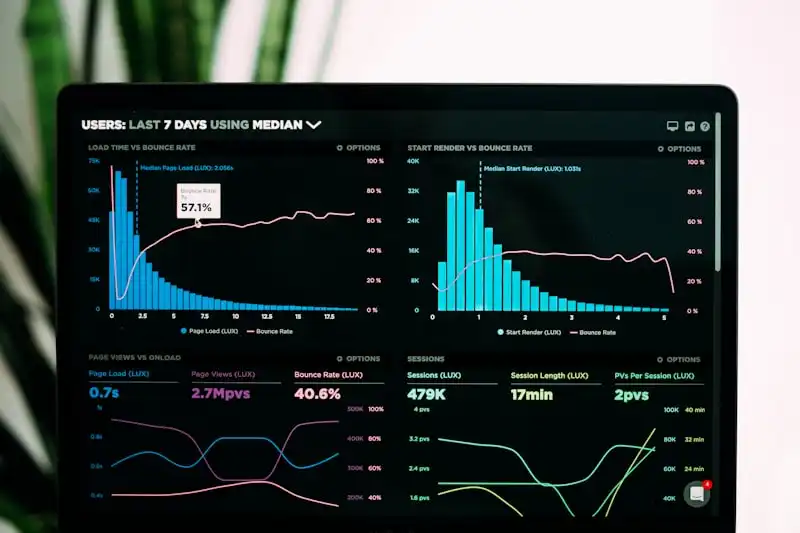
Dashboards assumed a human would look. That assumption is now the bottleneck. If an operator is already running the loop, the useful artifact is not a chart waiting for a click. It is telemetry that notices, diagnoses, and — inside policy — acts.
The dashboard does not disappear because charts are ugly. It disappears because pull lost to push with a closed loop.
What a dashboard cannot do
A dashboard is a query with a costume. It cannot:
- know that a metric moved for a reason that matters
- distinguish a seasonal wiggle from a broken pipeline
- open the compensating action
- leave a trace of who (or what) decided
Those jobs belong to ambient intelligence: agents watching streams, comparing against contracts, and emitting runs instead of red tiles.
Telemetry is not another BI layer
Moving the same KPIs into a prettier tool is not the shift. The shift is binding signals to operators:
| Dashboard habit | Ambient replacement |
|---|---|
| Humans scan every morning | Agents watch continuously |
| Red means “go look” | Red means a run already started |
| Root cause lives in Slack | Diagnosis is on the trace |
| Fix is a ticket | Fix is a governed action or an escalation |
If the human still has to notice, you kept the dashboard and added noise.
Diagnose before anyone asks
The operational pattern is small:
- Detect against a baseline or a policy, not a vanity threshold.
- Diagnose with enough context to name the failing step.
- Act or escalate inside a declared permission.
- Write back so the next detection is cheaper.
Skip diagnosis and you get alert fatigue. Skip write-back and you get the same incident every week, now with a bot attached.
What leaders look at instead
Leaders do not need forty tiles. They need: open runs, exception rate, time-to-close, and the decisions the system is not allowed to make. That is a control surface, not a dashboard.
The same idea applies outside the building. Answer engines do not browse your Looker. They retrieve pages and cite what they can parse. Ambient operations that never become structured, public evidence still fail AI visibility. The internal loop can be perfect and the market can still hear a stale story.
Kill the dashboard last. Kill the habit of waiting for someone to look, first.